
Our instruments are for Human Surgical use only. For Veterinary Instruments, visit GerVetUSA.com. For Human Dental instruments, please visit GerDentUSA.com. (Dismiss)

Shopping Cart

Total $0

We are a team of designers and developers that create high quality HTML Template & Woocommerce, Shopify Themes.

Currency
Language
My Account
Extra
10%
OFF
You have custom surgical sets, you can add more instruments in your sets or create more custom sets, once done you can order after making the required changes, click here to see your sets.

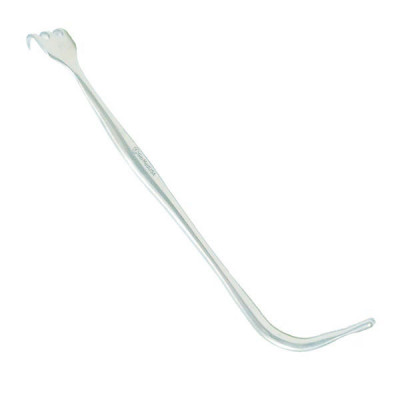
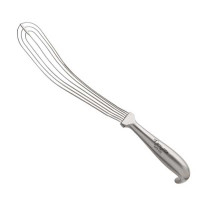
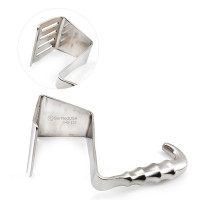
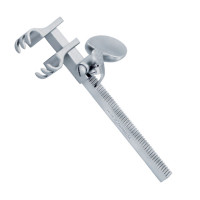
Hupp Tracheal Retractor 6" Double Ended Three Prong and Hook

SKU: G22-987
Availability: In Stock

The Hupp Tracheal Retractor is a surgical instrument that is designed to assist medical professionals with maintaining clear access to the trachea during procedures.

$84.95

Hupp Tracheal retractor features a unique double-ended design, with three prongs on one end and a hook on the other. The prongs can be used to hold the trachea open, while the hook can be used to manipulate tissue or other structures. The retractor is made from high-quality stainless steel, which ensures that it is durable and long-lasting. The handle of the retractor is ergonomically designed for a comfortable grip, even during long procedures. Moreover, it has some additional features such as : 
•    German Stainless Steel Made
•    Corrosion-Resistant
•    Reusable
•    Non-Sterile

Additional Information

Material:Stainless Steel

The three-prong end punctures and lifts the windpipe upward to create clear surgical exposure, while the opposite hook end serves as the handle for controlled manipulation during the procedure. This double-ended setup gives surgeons two functional tools in one instrument, reducing the need for multiple tools and streamlining surgical workflow.

Surgeons rely on this instrument primarily during tracheotomy operations to secure the airway passage for patients needing long-term breathing support or facing upper airway blockages. It's also employed in related neck surgeries where direct access to the breathing tube requires precise tissue retraction and visualization.

When used with proper technique and controlled force, the retractor safely manages the windpipe because the sharp prongs grip rather than crush the cartilage rings. Surgeons must apply gentle, steady traction to avoid excessive pressure on the posterior membranous wall, where delicate tissue sits behind the supportive cartilage framework.

The retractor performs best in controlled surgical settings where the airway is already protected by an endotracheal tube, making planned operations safer and more methodical. Emergency cricothyrotomy situations typically skip retraction instruments entirely, focusing instead on rapid access through direct needle or surgical techniques without time for detailed exposure.

The instrument hands-free hold on the windpipe lets surgeons keep both hands free for precise cutting, suturing, and tube placement, dramatically cutting operative time. Its double-ended design eliminates switching between separate retractors, keeping the surgical field organized and allowing anesthesia teams to maintain better patient monitoring throughout the procedure.
Anna