
Our instruments are for Human Surgical use only. For Veterinary Instruments, visit GerVetUSA.com. For Human Dental instruments, please visit GerDentUSA.com. (Dismiss)

Shopping Cart

Total $0

We are a team of designers and developers that create high quality HTML Template & Woocommerce, Shopify Themes.

Currency
Language
My Account
Extra
10%
OFF
You have custom surgical sets, you can add more instruments in your sets or create more custom sets, once done you can order after making the required changes, click here to see your sets.

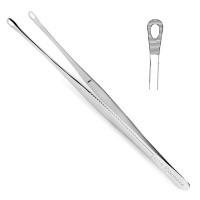
Phalangeal Forceps 6" Internal Opening Dia 4mm

SKU: G32-1050
Availability: In Stock

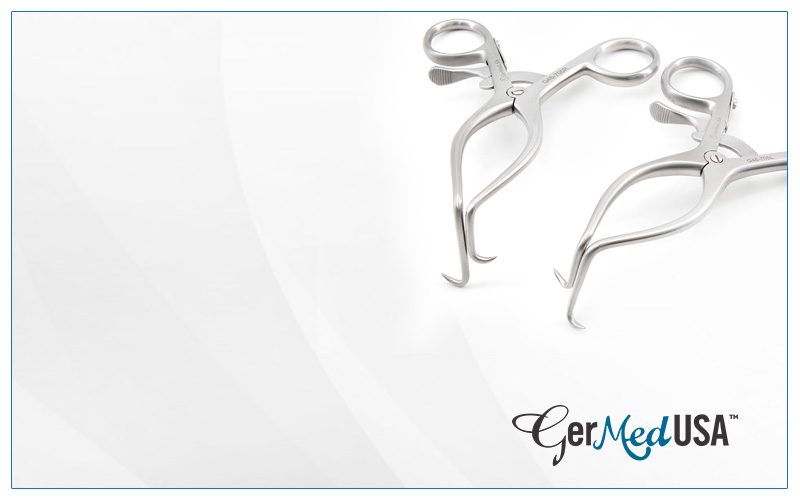
The Phalangeal forceps are for complex orthopedic procedures. Such procedures demand attention and precision.

$180.00
$160.00

The Phalangeal forceps work on the phalangeal bones. These are also reliable to work on the bones located in the fingers. The tool is best for slender bones. Those not dense bones are easy to work with by using the Phalangeal Forceps.  The components of the forceps keep the bones in a firm position. This prevents sliding and slippage. The features of the forceps make them a remarkable tool for orthopedic surgical procedures. 
•    Circular tips
    Reliable for phalangeal bone problems
•    Lightweight instrument 
•    Comfortable to move and navigate

The 6-inch length gives surgeons perfect reach and control when working on finger bones without getting in the way. It's long enough to see clearly but short enough to handle small bones with precision in tight hand surgery spaces.

This forceps is specially made for small finger bones with a precise jaw design that grips without crushing delicate bone fragments. Unlike regular bone tools, it prevents slipping and protects the bone's blood supply during procedures.

Yes, the 4 mm opening fits perfectly with children's smaller finger bones and prevents over-compression injuries. It gives surgeons better control when treating young patients' hand fractures safely and securely.

Yes, the precisely made jaw surfaces grip bone fragments firmly without slipping during surgery. Surgeons can confidently handle and position bones without constantly readjusting, saving time and improving results.

Surgeons should consider bone size, patient age, and procedure type before choosing these forceps. Jaw opening, instrument length, and grip comfort also affect performance. Matching the tool to the surgical need ensures safety and precision.
Anna